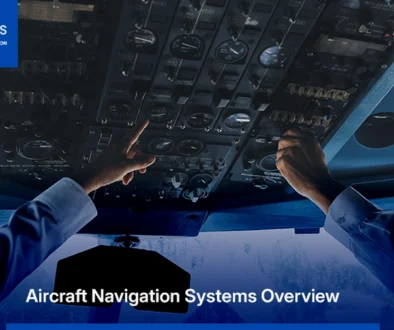
Understanding Aircraft Flight Instruments
Aircraft flight instruments are essential tools that enable pilots to monitor and control the aircraft safely throughout all phases of flight. These instruments provide crucial information about the aircraft’s performance, orientation, and navigation, allowing pilots to make accurate decisions even in low-visibility conditions or complex flight environments. At PT Tribuana Aerospace, we understand the critical importance of these systems and specialize in the maintenance, repair, and procurement of aviation instruments to ensure reliability and safety in every flight.
Why Flight Instruments Matter
Flight instruments act as the eyes of the cockpit, delivering real-time data essential for safe flight operations. They help pilots understand the aircraft’s position, speed, altitude, and direction relative to the Earth and the atmosphere. Without reliable instruments, pilots would be unable to maintain control during critical conditions such as night flying, bad weather, or when visual references are absent.
When instruments malfunction or provide inaccurate data, the consequences can be serious. This is why aviation engineering focuses heavily on ensuring these components are maintained and calibrated to the highest standards. The safety of flight operations depends on it.
Categories of Aircraft Instruments
Aircraft instruments are generally grouped into four categories based on their function:
Flight Instruments: Provide information about the aircraft’s attitude, heading, speed, and altitude.
Engine Instruments: Monitor engine performance parameters like RPM, fuel levels, temperatures, and pressures.
Navigation Instruments: Assist in route guidance and position awareness using tools like GPS, VOR, and other navigational aids.
Miscellaneous Instruments: Include gauges for auxiliary systems like cabin conditions or landing gear status.
This article focuses mainly on the flight instruments — the core tools pilots rely on for stable, controlled flight.
The “Six Pack” Flight Instruments
In traditional cockpits, six primary instruments — often called the “aviation six pack” — provide the key information pilots need at a glance. These instruments are foundational in both visual flight rules (VFR) and instrument flight rules (IFR) operations.
1. Airspeed Indicator (ASI)
The Airspeed Indicator measures how fast the aircraft is moving through the air by comparing pressure from the pitot tube to ambient static pressure. This reading is typically displayed in knots. The ASI is crucial during takeoff, climb, cruise, and landing phases.
2. Altimeter
The Altimeter shows the aircraft’s height above mean sea level by detecting changes in atmospheric pressure. As altitude increases, air pressure decreases — and this information is translated into altitude readings.
3. Vertical Speed Indicator (VSI)
Also known as the rate-of-climb indicator, the VSI shows how quickly the aircraft is climbing or descending, typically in feet per minute. This helps pilots maintain stable ascent and descent profiles.
4. Attitude Indicator (AI)
The Attitude Indicator, sometimes called the artificial horizon, displays the aircraft’s pitch (nose up/down) and bank (roll) relative to the horizon. It is critical for maintaining correct orientation, especially in poor visibility.
5. Heading Indicator (HI)
This gyroscopic instrument indicates the aircraft’s compass heading relative to magnetic north and helps pilots maintain their intended flight path.
6. Turn Coordinator (TC)
The Turn Coordinator shows the rate and direction of turns, helping pilots monitor coordinated flight and avoid skidding or slipping.
How Flight Instruments Work
Flight instruments operate using two primary systems: pitot-static systems and gyroscopic systems.
Pitot-Static System
The pitot-static system measures air pressure from external ports on the aircraft. The pitot tube captures ram air pressure, while static ports sense ambient air pressure. Differences between these pressures help calculate airspeed, altitude, and vertical speed.
Gyroscopic Instruments
Instruments like the Attitude Indicator, Heading Indicator, and Turn Coordinator use gyroscopes to maintain a stable reference in space. These gyros detect changes in aircraft movement and translate them into visual data pilots can interpret.
Common Instrument Errors and Why Maintenance Matters
Aircraft instruments are subject to various errors and discrepancies, many of which stem from pressure system blockages, mechanical wear, or incorrect pilot settings. For example, a blocked pitot tube can lead to inaccurate airspeed readings, while a static port obstruction may distort altitude and vertical speed indications.
Regular maintenance, calibration, and inspection are essential practices to prevent such errors. At PT Tribuana Aerospace, our aviation engineering teams ensure that all instruments receive meticulous evaluation and corrective servicing, reducing the risk of in-flight anomalies.
Calibration and Testing — Ensuring Precision
Calibration is critical for maintaining the accuracy of flight instruments. Each gauge must be tested against precise reference standards and adjusted as needed. Reliable calibration ensures that readings correspond accurately to real-world flight conditions — a key factor in flight safety.
Our maintenance and overhaul services include advanced calibration procedures and verification to ensure instruments meet all regulatory and performance standards.
The Role of Aviation Engineering in Flight Safety
Flight instruments are central to pilot situational awareness. In challenging flight conditions — such as night flying, mountainous terrain, or poor visibility — pilots must rely entirely on instrument readings to maintain control. This emphasizes the role that aviation engineering plays not just in maintenance, but in flight safety itself.
By applying industry best practices in repair and overhaul, aviation engineers ensure instruments deliver accurate, reliable data — supporting both pilot decision-making and overall flight integrity.
Modern Instruments and Electronic Systems
While traditional analog flight instruments remain vital, many modern aircraft use glass cockpits and digital avionics systems that integrate multiple instrument functions into unified displays. These systems improve readability and situational awareness, though they still depend on accurate sensor data and robust maintenance.
PT Tribuana Aerospace supports both conventional and advanced instrument systems, ensuring all aircraft — from legacy models to modern fleets — receive comprehensive engineering support.
Conclusion
Aircraft flight instruments form the backbone of safe and reliable aviation. They provide pilots with real-time data on aircraft performance, orientation, and navigational status — enabling informed decisions and safe operations. From airspeed and altitude to attitude and heading, each instrument plays a unique and vital role.
At PT Tribuana Aerospace, our expertise in instrument maintenance, calibration, repair, and procurement ensures these critical systems are maintained with precision and integrity. By applying advanced aviation engineering practices, we help operators maintain instrument reliability — ultimately supporting flight safety and operational excellence in every mission.